

As the global push for carbon neutrality intensifies and the demand for renewable energy grows, the storage battery industry is undergoing a critical transformation—one driven by sustainable materials. Long-life storage batteries, essential for powering solar grids, telecom networks, and industrial energy systems, are no longer just evaluated by performance and lifespan; their environmental impact, from raw material extraction to end-of-life disposal, has become a key priority. Sustainable materials are not only reducing the carbon footprint of storage batteries but also enhancing their durability and efficiency, reshaping the future of energy storage and paving the way for a more eco-friendly energy ecosystem.
The core challenge facing traditional storage batteries lies in their reliance on non-renewable, toxic materials that harm the environment and limit lifespan. For instance, conventional lead-acid batteries contain harmful heavy metals, while some lithium-ion batteries use rare earth elements with high extraction costs and environmental damage. In contrast, sustainable materials—such as recycled metals, bio-based electrolytes, and eco-friendly separators—are addressing these issues, enabling the development of long-life storage batteries that align with global sustainability goals. Solar Energy Storage, which relies heavily on reliable, long-lasting batteries to store excess solar power, is one of the biggest beneficiaries of this shift, as sustainable materials ensure consistent performance while reducing environmental impact.
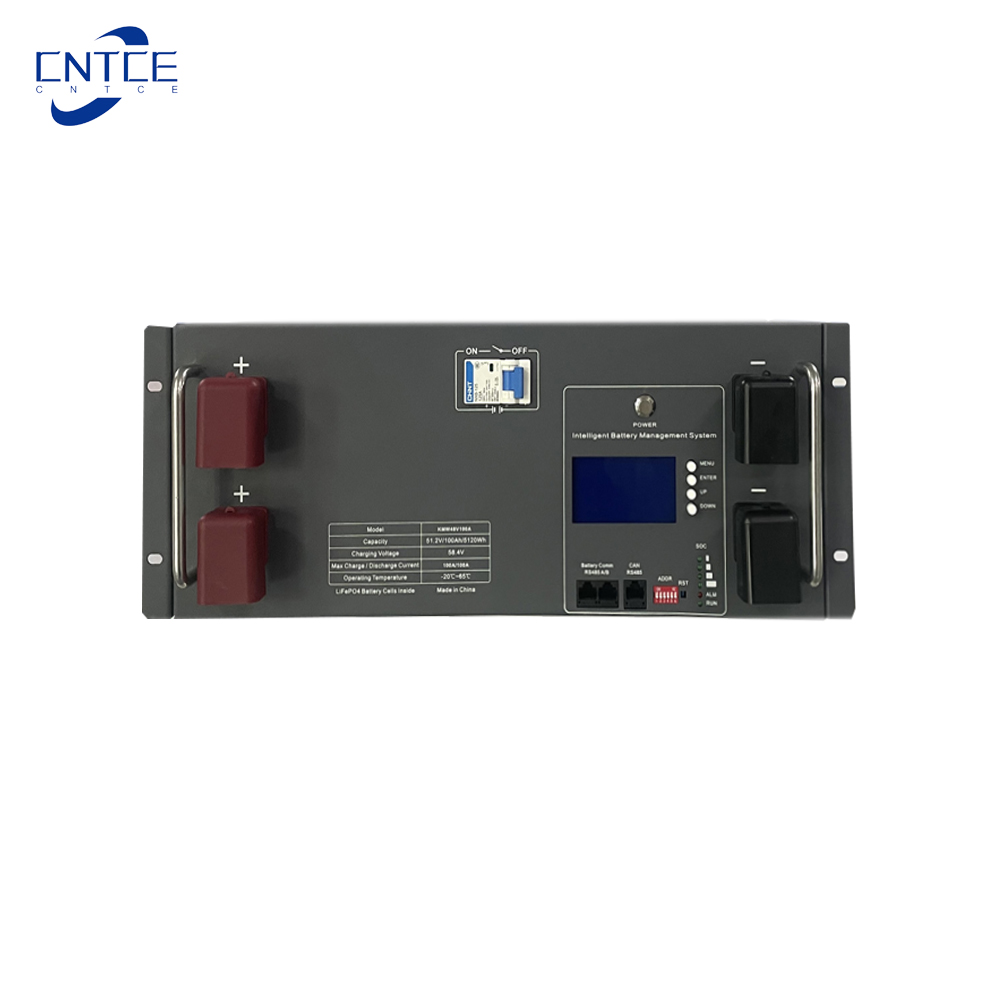
Beyond environmental benefits, sustainable materials are directly improving the lifespan and reliability of storage batteries. For example, using recycled lithium and cobalt in battery production not only reduces resource depletion but also enhances the battery’s cycle life, allowing it to withstand thousands of charge-discharge cycles without significant performance degradation. This is particularly critical for industrial and commercial applications, where storage batteries must operate continuously for years. Manufacturers are also exploring novel sustainable materials, such as solid-state electrolytes made from renewable polymers, which not only extend battery life but also improve safety by reducing the risk of thermal runaway.
The design and functionality of storage batteries are also evolving with the adoption of sustainable materials, redefining the Battery Structure to maximize efficiency and sustainability. Traditional battery structures often prioritize performance over eco-friendliness, but modern designs integrate sustainable materials into every component—from the cathode and anode to the separator and casing. For example, using bamboo-based carbon materials for battery anodes not only reduces carbon emissions but also improves conductivity, while biodegradable casings eliminate the need for non-recyclable plastics. This holistic approach ensures that the entire battery lifecycle, from production to disposal, is more sustainable.
Among the most promising developments in sustainable storage batteries is the use of advanced cell technologies that leverage eco-friendly materials. LiFePO4 Battery Cells, for instance, are gaining traction due to their use of iron phosphate—a abundant, non-toxic material that is far more sustainable than the cobalt used in traditional lithium-ion cells. These cells not only have a longer cycle life (exceeding 10,000 cycles in some cases) but also produce fewer carbon emissions during manufacturing, making them ideal for long-life storage applications. As manufacturers scale up production of LiFePO4 Battery Cells using recycled materials, the cost of sustainable storage batteries is also decreasing, making them more accessible for global markets.
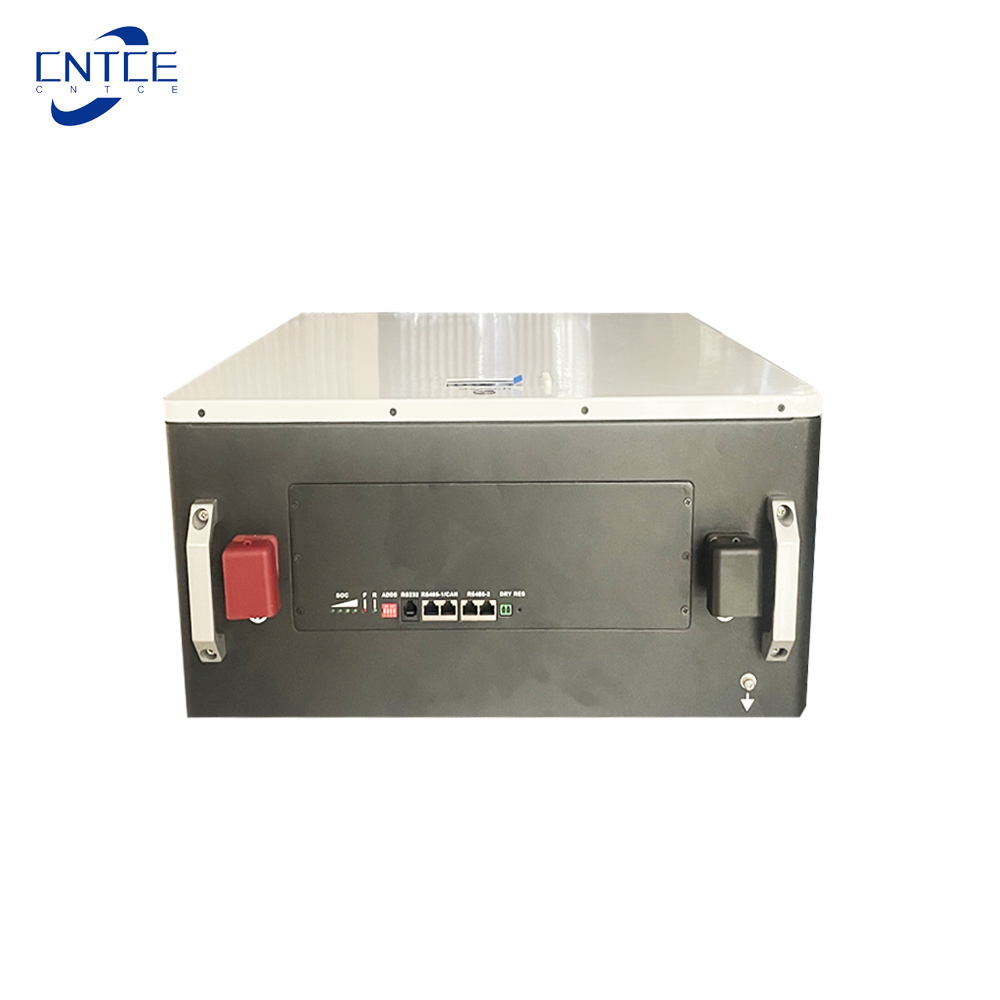
The shift to sustainable materials is not just a trend—it is a necessary evolution for the storage battery industry to remain relevant in a carbon-constrained world. Governments and regulatory bodies are increasingly implementing stricter environmental standards, pushing manufacturers to adopt sustainable practices and materials. Consumers and businesses, too, are prioritizing eco-friendly products, driving demand for long-life storage batteries made from sustainable materials. As research and innovation continue, we can expect to see even more advanced sustainable materials that further extend battery life, reduce costs, and minimize environmental impact, solidifying the role of storage batteries in the global renewable energy transition.