

The long-term operational stability of outdoor communication infrastructure largely depends on the durability of supporting cabinet equipment. Many field devices face premature aging, structural deformation and performance degradation due to non-standard design, resulting in frequent replacement and high maintenance costs. Therefore, mastering and implementing scientific design standards has become the core premise to extend the overall service life of outdoor telecom cabinets. With the continuous expansion of global communication infrastructure, standardized design has gradually become an industry threshold, guiding manufacturers to optimize product structure, material selection and protection performance for long-term outdoor operation.
Material selection standards are the primary factor determining cabinet service life. Most outdoor equipment is exposed to ultraviolet radiation, rain erosion, salt spray and temperature alternation all year round, so raw materials must meet strict anti-aging and anti-corrosion specifications. High-quality galvanized steel and aluminum-magnesium alloy have become mainstream choices because of their strong oxidation resistance and structural stability. In the Telecommunications Industry, uniform material inspection standards have been formed to eliminate inferior thin plates and low-grade coatings. Standardized material application can effectively avoid rusting, peeling and structural loosening, ensuring the cabinet maintains stable mechanical performance for more than ten years in complex outdoor environments.
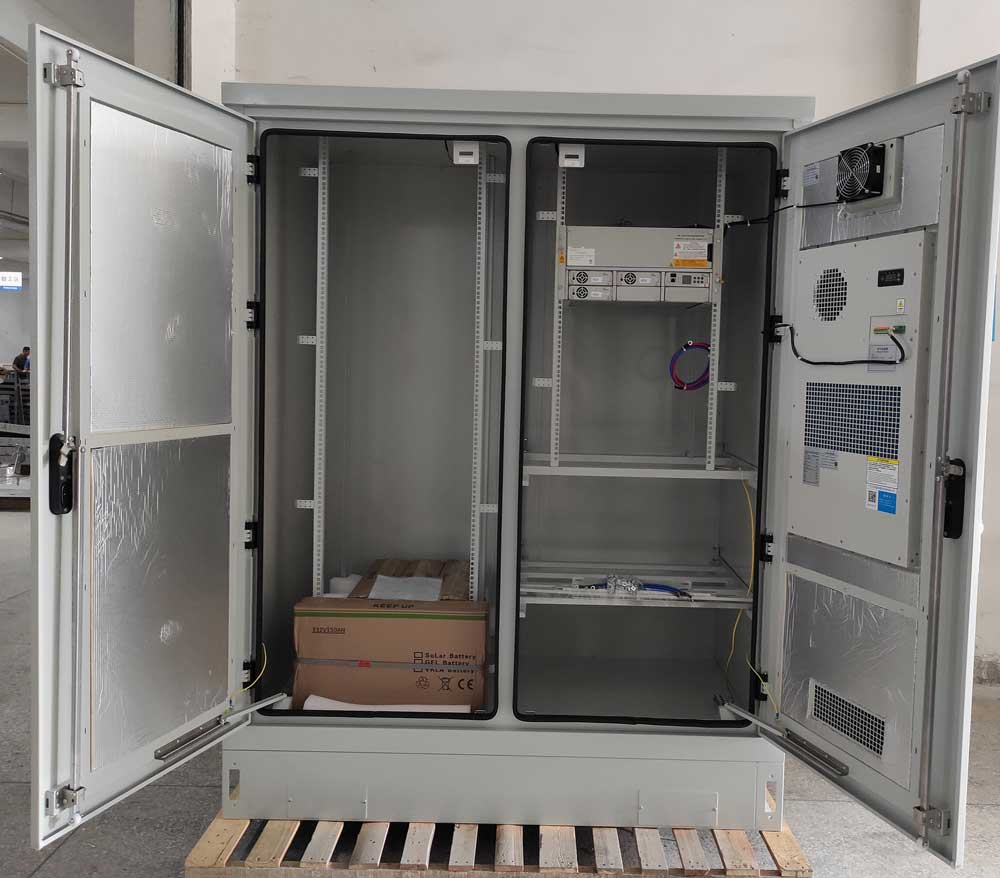
Sealing and protection grade standards directly determine the ability of cabinets to resist external environmental interference. Outdoor equipment needs to block dust, moisture and water spray to prevent internal circuit short circuit and component corrosion. International IP protection standards have become the basic design basis for outdoor equipment manufacturing. Reasonable sealing structure, waterproof rubber strips and pressure-resistant door body design can greatly reduce the risk of equipment failure. Different from ordinary indoor equipment, professional outdoor design specifications focus on long-term sealing stability, which is also an important design difference compared with conventional Industrial Cabinet products that focus more on mechanical strength.
Structural load and heat dissipation design standards are also indispensable to extend service life. Unreasonable internal layout and poor heat dissipation will cause long-term high-temperature operation of internal power supply and communication modules, accelerating electronic aging and reducing the overall operating cycle. Standardized structural design includes reinforced base support, anti-collision frame structure and scientific ventilation and heat dissipation channels. Such design can reduce structural fatigue caused by external wind pressure and vibration. Meanwhile, standardized internal wiring and isolation design avoid heat accumulation and circuit friction damage, making the overall structure of Electrical Enclosure more stable and durable in long-term operation.
In addition, anti-theft, lightning protection and grounding design standards also affect the comprehensive service life of outdoor cabinets. Outdoor unattended equipment is vulnerable to external damage and lightning strike risks. Standardized lightning protection devices and multi-point grounding design can effectively release static electricity and avoid instantaneous voltage impact on internal equipment. High-strength anti-pry lock and reinforced door panel structure reduce artificial damage and safety accidents. These standardized designs work together to reduce failure rates and delay equipment aging.